Blogs
Can PVC Celuka Boards Replace Plywood for Kitchen Cabinets?
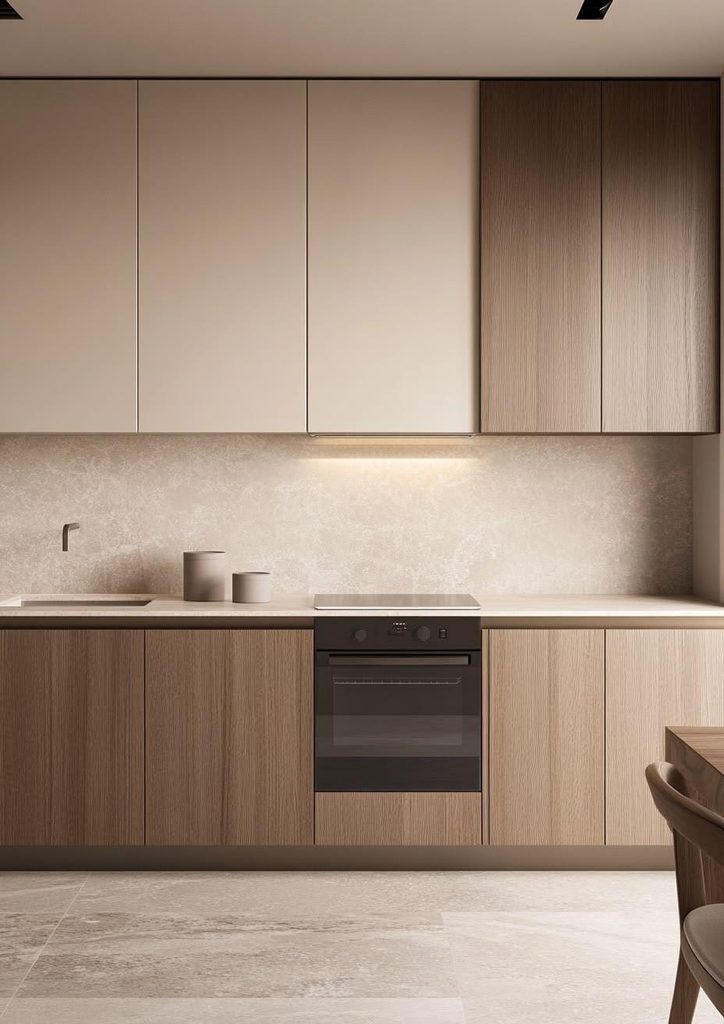
Choosing the right material for PVC Celuka Board for Kitchen Cabinets is important because kitchens are exposed to moisture, heat, regular cleaning and everyday use. Plywood has traditionally been used for kitchen furniture, but PVC Celuka boards are becoming an alternative for homeowners and interior designers looking for moisture-resistant board materials.
A PVC Celuka board is a rigid foam board with a solid outer surface and a lightweight cellular core. It offers several advantages for interior applications, including resistance to moisture and termites. However, its suitability for kitchen cabinets depends on board density, thickness, cabinet design, hardware requirements and installation quality.
So, can PVC Celuka boards replace plywood in kitchen cabinets? The answer depends on the application. In this guide, we compare both materials, explain their benefits and limitations, discuss PVC Celuka board price and sizes, and help you choose the right board for your kitchen.
Can PVC Celuka Boards Replace Plywood in Kitchen Cabinets?
PVC Celuka boards can replace plywood in selected kitchen cabinet applications, but the decision depends on the cabinet component and its performance requirements.
They may be considered for cabinet shutters, partitions, storage units and selected shelves where their moisture resistance and easy maintenance are useful. However, heavily loaded shelves, large shutters and components requiring strong screw or hinge fixing need careful evaluation.
Before choosing PVC Celuka boards, check the board’s density, thickness, load capacity and hardware compatibility. Plywood may remain a practical option where specific structural properties, conventional woodworking methods or particular finishes are required.
What Makes PVC Celuka Boards Different from Plywood?
PVC Celuka boards and plywood are different in terms of material composition, construction and performance.
PVC Celuka boards are manufactured using PVC-based material and have a foam-core structure with a comparatively dense outer surface. Plywood is manufactured by bonding multiple layers of wood veneer together.
The differences influence how each material responds to moisture, weight, fastening, finishing and everyday use.
PVC Celuka boards are generally suitable for applications where moisture resistance and easy maintenance are important. Plywood may be preferred for certain applications that require specific structural characteristics, familiar woodworking methods or particular surface finishes.
Are PVC Celuka Boards Suitable for Every Kitchen Cabinet?
PVC Celuka boards can be suitable for several kitchen cabinet applications, but they should not automatically be considered a replacement for plywood in every situation.
They may be considered for:
- Kitchen cabinet shutters.
- Storage units.
- Cabinet partitions.
- Selected shelving applications.
- Drawer components, subject to load requirements.
- Utility and storage furniture.
For heavily loaded shelves, large cabinet doors and areas requiring strong hardware fixing, the board’s density, thickness and screw-holding performance should be checked.
The right material should be selected according to the cabinet’s intended use, expected load and installation method.
What Is a PVC Celuka Board?
A PVC Celuka board is a rigid PVC foam board manufactured using a specialised foaming process. It generally features a dense outer skin and a lightweight cellular core.
Unlike plywood, which is made from wood veneers, PVC Celuka boards are made from PVC-based material. Their construction makes them useful for selected furniture, interior and decorative applications.
These boards are available in different thicknesses and dimensions depending on the manufacturer’s product range.
How Are PVC Celuka Boards Manufactured?
PVC Celuka boards are produced through an extrusion-based manufacturing process. PVC resin and suitable additives are prepared and processed through an extrusion system, where controlled foaming creates a lightweight cellular core and a comparatively dense outer surface.
The finished board is then cooled, calibrated, cut to the required dimensions and inspected for relevant quality parameters.
The manufacturing process and material formulation influence the board’s density, surface quality, dimensions and performance.
PVC Celuka boards are produced through an extrusion-based manufacturing process.
The general manufacturing process involves:
- Material preparation: PVC resin and suitable additives are prepared according to the required formulation.
- Compounding: The material is blended to achieve the required processing and product characteristics.
- Extrusion: The prepared material passes through an extrusion system to form a continuous board.
- Foaming and shaping: A controlled foaming process creates the cellular core and outer surface structure.
- Cooling and calibration: The board is cooled and calibrated to achieve the required dimensions.
- Cutting and inspection: The finished board is cut to size and checked for relevant quality parameters.
The manufacturing process and material formulation influence the board’s density, surface quality, dimensions and overall performance.
What Are the Main Features of PVC Celuka Boards?
PVC Celuka boards offer several characteristics that make them useful for furniture and interior applications.
- Moisture resistance: PVC does not absorb water in the same way as conventional wood-based boards.
- Termite resistance: PVC material is not a food source for termites.
- Easy maintenance: The surface can generally be cleaned using a soft cloth and mild cleaning solution.
- Lightweight construction: The foam-core structure can make the board lighter than some solid materials.
- Smooth surface: The surface can support suitable finishing and fabrication processes.
- Workability: Boards can be cut, drilled and fabricated using compatible tools and methods.
- Interior applications: They can be used for selected furniture, cabinets and decorative installations.
Actual performance depends on board density, thickness, formulation, fabrication and application.
Where Can PVC Celuka Boards Be Used in Home Interiors?
PVC Celuka boards are used in different interior applications where moisture resistance and easy maintenance are useful.
Common applications include:
- Kitchen cabinets: Selected shutters, cabinet partitions and storage units.
- Bathroom furniture: Cabinets and storage units in moisture-prone areas.
- Wardrobes: Selected wardrobe components and internal structures.
- Storage furniture: Utility cabinets, shelves and storage units.
- Wall applications: Selected decorative and interior installations.
- Office furniture: Selected furniture components, depending on load and design requirements.
Before using PVC Celuka boards for a specific application, check the manufacturer’s recommendations for thickness, density, load capacity and fabrication.
PVC Board for Kitchen Cabinets: Benefits and Limitations
PVC Board for Kitchen cabinets must handle frequent opening and closing, storage loads, cleaning and exposure to moisture. PVC Celuka boards offer certain advantages, but their limitations should also be considered before selecting them.
PVC Celuka boards offer several useful characteristics for kitchen furniture, but their suitability depends on the cabinet’s design and intended use.
Benefits of PVC Celuka Boards
1. Moisture Resistance
PVC Celuka boards are generally resistant to moisture and do not absorb water in the same way as conventional wood-based boards. This makes them worth considering for selected kitchen cabinet applications.
However, joints, edges and hardware openings still need appropriate finishing to prevent water from entering the cabinet construction.
2. Termite Resistance
PVC is not a food source for termites, making PVC Celuka boards an option for applications where termite resistance is an important consideration.
3. Easy Maintenance
The surface can generally be cleaned with a soft cloth and mild cleaning solution. This can make everyday maintenance more convenient.
4. Lightweight Construction
The cellular foam-core structure can make PVC Celuka boards lighter than some conventional board materials, depending on their density and thickness.
Limitations to Consider Before Buying
1. Load-Bearing Requirements
The board’s density, thickness and support arrangement influence its suitability for shelves and other load-bearing components.
2. Screw and Hardware Fixing
Hinges, handles and drawer hardware need compatible fixing methods. Check the manufacturer’s screw-holding and hardware recommendations.
3. Heat Exposure
PVC Celuka boards should not be exposed directly to excessive heat or open flames. Follow manufacturer recommendations when installing cabinets near ovens and cooking appliances.
4. Fabrication Requirements
PVC Celuka boards require suitable fabrication methods and compatible hardware. Confirm these requirements with the manufacturer or fabricator before starting the project.
The right board should be selected according to the complete cabinet design rather than moisture resistance alone.
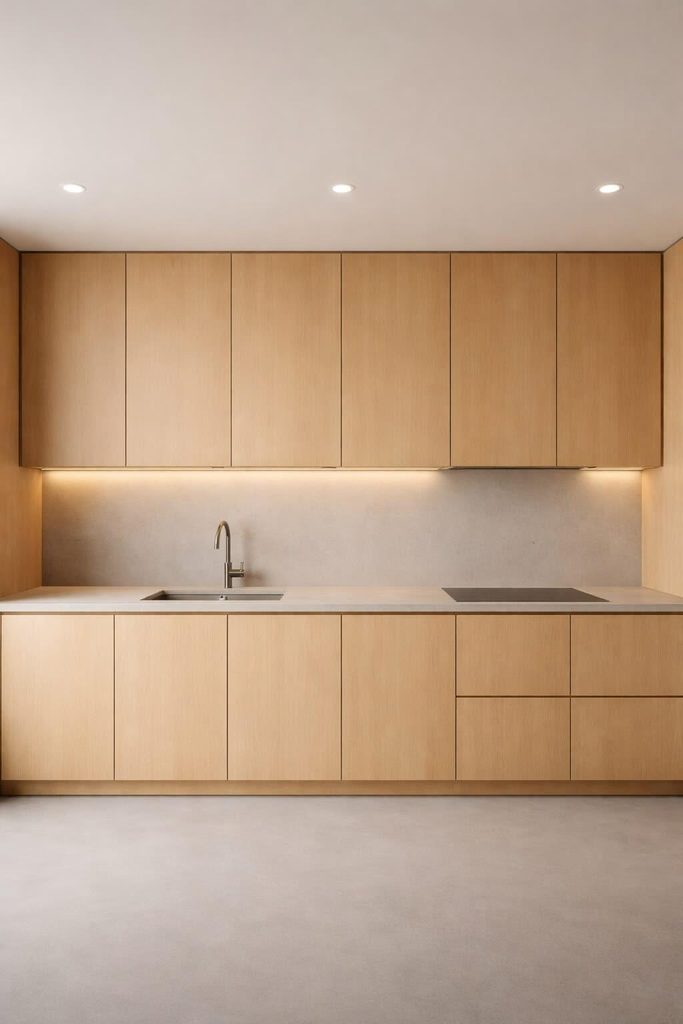
How PVC Celuka Boards Handle Kitchen Moisture
One of the key advantages of PVC Celuka boards is their resistance to moisture.
Kitchen cabinets are regularly exposed to water splashes, steam and cleaning activities, particularly around sinks and washing areas. Unlike plywood, PVC material does not absorb water in the same way as wood-based boards.
This makes PVC Celuka boards an option for selected kitchen furniture applications.
However, moisture resistance does not mean that the entire cabinet installation is waterproof. Water can still enter through joints, exposed edges, hardware openings and poorly finished connections.
For better results:
- Use suitable edge-finishing methods.
- Seal joints appropriately.
- Avoid leaving water trapped inside cabinets.
- Follow the manufacturer’s fabrication recommendations.
- Ensure proper installation around sinks and plumbing.
Resistance to Termites and Everyday Maintenance
Termite resistance is another advantage of PVC Celuka boards. Since PVC is not wood, it does not provide termites with the same food source as plywood or other wood-based materials.
Maintenance is also relatively simple. The surface can generally be cleaned using a soft cloth and mild cleaning solution.
For everyday kitchen use:
- Clean spills promptly.
- Avoid abrasive cleaning materials.
- Do not use harsh chemicals unless approved by the manufacturer.
- Inspect joints, edges and hardware periodically.
These practices help maintain the appearance and condition of the finished cabinets.
Weight, Strength and Screw-Holding Considerations
PVC Celuka boards have a cellular foam-core structure, which makes their weight and mechanical characteristics different from plywood.
Their suitability for cabinet doors, shelves and internal structures depends on the board’s density, thickness and construction.
Architects, fabricators and interior designers should evaluate:
- Board density and thickness.
- Load-bearing requirements.
- Screw-holding performance.
- Hinge and handle fixing methods.
- Cabinet dimensions and support arrangements.
- Expected frequency of use.
For large cabinet shutters or heavily loaded shelves, additional support or a suitable fixing system may be necessary.
Do not assume that every PVC Celuka board can carry the same load as every plywood grade. Check the manufacturer’s technical specifications before fabrication.
What to Consider Around Heat and Cooking Appliances
Kitchen cabinets are installed near cooking appliances, ovens and other heat-generating equipment. Material selection should account for these conditions.
PVC Celuka boards should not be exposed directly to excessive heat or open flames. High temperatures may affect the material’s shape and performance.
Before using PVC boards near cooking appliances:
- Follow the manufacturer’s temperature recommendations.
- Maintain the required clearance from heat sources.
- Use suitable heat-resistant protection where needed.
- Follow appliance installation guidelines.
- Avoid direct contact with hot cookware and heating elements.
For cabinets surrounding ovens, cooktops and other high-temperature appliances, confirm material suitability with the manufacturer and consider the appropriate protective construction.
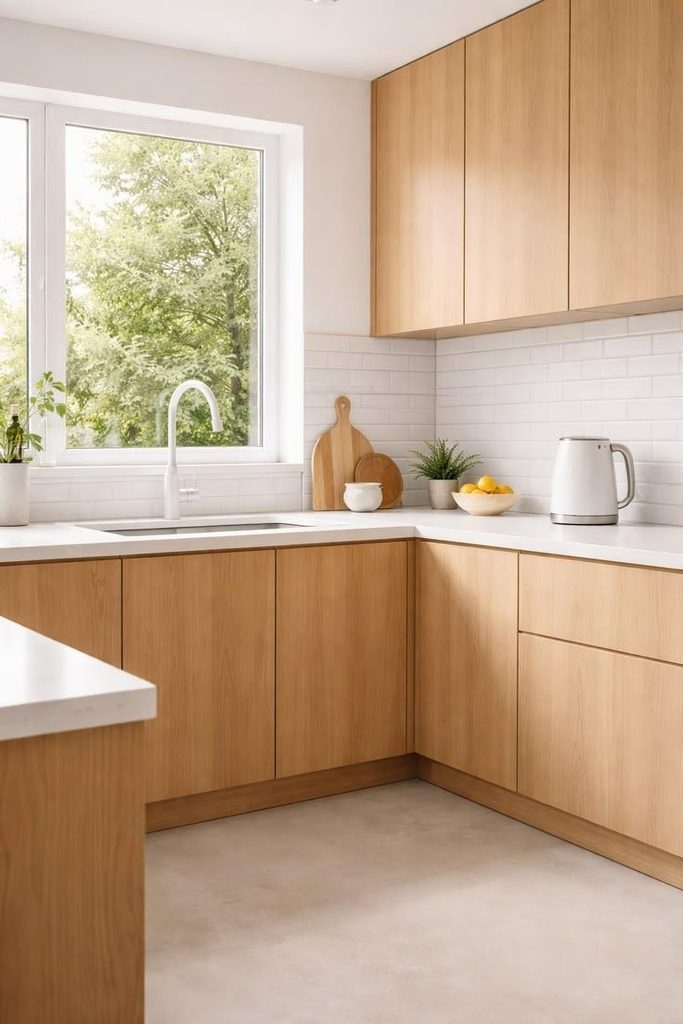
PVC Celuka Board vs Plywood: Which Is Better for Kitchen Cabinets?
PVC Celuka boards and plywood can both be used for furniture applications, but they offer different characteristics.
The better choice depends on the cabinet’s location, design, load requirements, budget and expected usage.
| Comparison factor | PVC Celuka board | Plywood |
| Material | PVC-based foam board | Multiple bonded wood veneer layers |
| Construction | Dense outer surface with cellular core | Layered wood construction |
| Moisture resistance | Generally resistant to moisture | Depends on plywood grade, bonding and edge protection |
| Termite resistance | Not a food source for termites | May require appropriate treatment and protection |
| Weight | Depends on density and thickness; foam-core construction can be lightweight | Depends on wood species, grade and thickness |
| Screw holding | Depends on density, thickness and fixing method | Depends on plywood grade, construction and fixing method |
| Load-bearing | Must be checked against board specifications | Depends on grade, thickness and support |
| Maintenance | Generally easy to clean | Depends on surface finish and edge protection |
| Fabrication | Requires suitable PVC-compatible fabrication methods | Widely supported by conventional woodworking methods |
| Heat exposure | Requires protection from excessive heat | Also requires consideration of heat, finish and installation |
| Finishing | Depends on compatible surface-finishing methods | Supports a wide range of laminates, veneers and finishes |
Which Material Is Better for Kitchen Cabinets?
There is no single material that is best for every kitchen cabinet.
PVC Celuka boards may be suitable when moisture resistance, termite resistance and easy cleaning are important. Plywood may be more practical for applications where established woodworking methods, specific structural requirements or particular finishing options are priorities.
The selection should be based on the complete cabinet design rather than the material name alone.
When Should You Choose PVC Celuka Instead of Plywood?
PVC Celuka boards may be worth considering when:
- The cabinet is located in an area exposed to occasional moisture.
- Termite resistance is an important consideration.
- Easy surface cleaning is preferred.
- A lightweight board option is required.
- The cabinet design is compatible with the board’s mechanical properties.
- The selected board meets the project’s load and fixing requirements.
For kitchen cabinets, always check the board’s suitability for the intended shutter, shelf or internal structure.
When Is Plywood Still a Practical Choice?
Plywood remains a practical option for many kitchen furniture applications.
It may be preferred when:
- The cabinet design requires specific structural properties.
- Conventional woodworking and fabrication methods are preferred.
- Particular veneer or laminate finishes are required.
- The design requires established screw-fixing methods.
- The selected plywood grade meets the project’s moisture and load requirements.
Marine-grade or moisture-resistant plywood may be considered for selected kitchen applications, but the correct grade, edge protection and installation are still important.
What Is the PVC Celuka Board Price?
PVC Celuka board price depends on the board’s dimensions, thickness, density, material quality and finish.
Different manufacturers may offer different specifications, so prices should be compared using equivalent board sizes and technical details.
For accurate pricing, buyers should request a quotation based on their required thickness, dimensions and quantity.
Factors That Affect PVC Celuka Board Price
Several factors influence PVC Celuka board price:
- Board thickness: Thicker boards generally require more raw material.
- Board density: Density influences material consumption, weight and product characteristics.
- Board dimensions: Larger boards require more material and may have different pricing.
- Material quality: Formulation and manufacturing quality can influence the final cost.
- Surface finish: Different surface treatments or finishes may affect pricing.
- Quantity ordered: Bulk orders and project requirements may receive different commercial quotations.
- Transportation: Delivery distance and handling requirements can influence the total cost.
When comparing prices, consider the board’s specifications and intended application instead of choosing only the lowest quotation.
Is PVC Celuka More Affordable Than Plywood?
The cost comparison between PVC Celuka boards and plywood depends on the specifications being compared.
PVC Celuka boards and plywood differ in density, construction, finishing requirements and fabrication methods. A direct comparison based only on the price per sheet may not reflect the actual cost of a completed kitchen cabinet.
For a meaningful comparison, consider:
- Cost per sheet.
- Usable board area.
- Required thickness and density.
- Wastage during fabrication.
- Edge finishing and surface finishing.
- Hardware and fixing requirements.
- Installation and labour costs.
The overall cabinet cost should be evaluated rather than comparing raw board prices alone.
What Are the Available PVC Celuka Board Sizes?
PVC Celuka boards are manufactured in different dimensions and thicknesses depending on the manufacturer’s product range.
The required size depends on the furniture application, cabinet dimensions, fabrication method and available sheet formats.
Before placing an order, confirm the actual available dimensions with the supplier.
Which PVC Celuka Board Thickness Is Suitable for Kitchen Cabinets?
The appropriate thickness depends on the cabinet component being manufactured.
- Cabinet shutters: Consider shutter dimensions, rigidity, weight and hinge-fixing requirements.
- Cabinet partitions: Select thickness according to the cabinet structure and support arrangement.
- Shelves: Consider the expected load, shelf span, density and support.
- Internal structures: Choose a specification that suits the cabinet layout and fixing method.
- Drawer components: Check suitability for repeated movement, hardware fixing and expected storage loads.
There is no universal thickness suitable for every kitchen cabinet. Refer to the manufacturer’s current catalogue and technical recommendations before selecting a board.
What Should You Check Before Ordering PVC Celuka Boards?
Before purchasing, confirm:
- Required sheet dimensions.
- Available thickness options.
- Board density and technical specifications.
- Surface finish and colour.
- Fabrication and cutting requirements.
- Expected cabinet load.
- Compatibility with hinges, handles and other hardware.
- Quantity and delivery requirements.
Sharing your cabinet design or cutting dimensions with the supplier can help determine the appropriate board size and quantity.
Common PVC Celuka Board Thickness Options
PVC Celuka boards may be available in different thickness categories for applications such as furniture, cabinets, partitions and decorative interiors.
The appropriate thickness depends on the component being manufactured.
For example:
- Cabinet shutters: Thickness should suit the shutter dimensions, weight and hinge arrangement.
- Cabinet partitions: Select a thickness according to the cabinet structure and support requirements.
- Shelves: Consider the expected load, shelf span and board density.
- Internal structures: Choose a suitable thickness based on the cabinet design and fixing method.
There is no universal thickness suitable for every kitchen cabinet. Refer to the manufacturer’s current product catalogue for available options and technical recommendations.
How to Select the Right Board Size for Kitchen Cabinets
Selecting the right PVC Celuka board involves more than choosing a sheet dimension. The board must be suitable for the intended cabinet component and its expected use.
What to Check Before Ordering PVC Celuka Boards
Before purchasing, confirm the following details:
- Required board dimensions.
- Available thickness options.
- Board density and specifications.
- Surface finish and colour.
- Fabrication requirements.
- Expected cabinet load.
- Compatibility with hinges, handles and other hardware.
- Quantity and delivery requirements.
Providing the cabinet design or cutting dimensions to the supplier can help determine the appropriate board size and quantity.
Check Board Density and Thickness
Density and thickness are important when selecting PVC Celuka boards for furniture.
Thickness affects the board’s dimensions and suitability for different components, while density influences its weight and mechanical characteristics.
Do not select a board based on thickness alone. Check the manufacturer’s specifications for density, strength and recommended applications.
Consider Cabinet Doors, Shelves and Internal Structures
Different kitchen cabinet components have different functional requirements.
Cabinet doors: Shutters need suitable rigidity, dimensions and hinge-fixing support.
Shelves: Shelves should be selected according to the expected load, width and support arrangement.
Cabinet partitions: Internal partitions should provide suitable stability for the cabinet layout.
Drawer components: The board and fixing system should be suitable for repeated movement and the expected storage load.
Selecting the same board specification for every cabinet component may not always be appropriate.
Check Hardware Compatibility and Installation Quality
Cabinet hardware has an important role in the performance of the finished furniture.
Before fabrication, check whether the selected PVC Celuka board is compatible with the proposed:
- Hinges.
- Handles.
- Drawer channels.
- Screws and fasteners.
- Cabinet connectors.
- Support brackets.
Use suitable fixing methods recommended by the board manufacturer and hardware supplier. Proper fabrication and installation help improve cabinet stability and everyday usability.
Explore PVC Celuka Board Solutions from Sarvesh
Choosing the right board material is important for creating practical and durable interior spaces. Sarvesh offers Celuka foam board solutions under its Whitewood product range for selected furniture and interior applications.
When considering PVC Celuka boards for kitchen cabinets, evaluate the board’s dimensions, thickness, density, surface quality and compatibility with the proposed cabinet design.
Whether you are a homeowner, interior designer, furniture manufacturer or contractor, selecting the correct board specification can help achieve better results for your project.
For product specifications, available sizes, thickness options and commercial quotations, connect with an authorised Sarvesh dealer or product representative.
Sarvesh: Explore Whitewood Celuka Foam Board solutions for modern interior applications.
Frequently Asked Questions
Can PVC Celuka boards replace plywood in kitchen cabinets?
Yes, PVC Celuka boards can replace plywood in selected kitchen cabinet applications. However, suitability depends on board density, thickness, cabinet design, load requirements and hardware compatibility. Plywood may remain a better choice for certain structural or finishing requirements.
Is PVC Celuka board suitable for kitchen cabinets?
PVC Celuka boards can be suitable for selected kitchen cabinets because they offer moisture resistance, termite resistance and easy maintenance. Their suitability should be checked for the specific cabinet component, especially shelves and large shutters that require adequate strength and fixing support.
What is the price of PVC Celuka boards?
PVC Celuka board price depends on thickness, density, board dimensions, material quality, finish and order quantity. Request a quotation using the required board specifications to obtain an accurate price.
What are the available PVC Celuka board sizes?
PVC Celuka boards are available in different dimensions and thicknesses depending on the manufacturer’s product range. Check the current product catalogue or contact the supplier to confirm available sizes before ordering.
Is PVC Celuka board waterproof?
PVC Celuka board is generally resistant to water and moisture because it is made from PVC-based material. However, the complete furniture installation is not automatically waterproof. Joints, edges, hardware openings and installation details should be properly finished and protected.
Which is better for kitchen cabinets: PVC Celuka board or plywood?
PVC Celuka boards may be preferable for selected moisture-prone applications where termite resistance and easy maintenance are important. Plywood may be more suitable for certain structural requirements, conventional fabrication methods and specific surface finishes. The better option depends on the cabinet design and application.
How do I choose the right PVC board for kitchen cabinets?
Check the board’s thickness, density, dimensions, surface quality and mechanical properties. Also consider cabinet door size, shelf loads, hardware compatibility, heat exposure and installation requirements. Consult the manufacturer’s technical specifications before finalising your selection.
Trending Blogs
-
#1. Why Your Walls Deserve More Than Just Another Paint Job
-
#2. UPVC Furniture: Why Practical Doesn’t Have to Look Plain
-
#3. The Hidden Costs of Choosing the Wrong Door for Your Home
-
#4. Best Ready-Made Plastic Bathroom Doors for Indian Homes
-
#5. Best PVC Wall Panel Designs for a Modern Living Room in India
-
#6. How to Choose the Right WPC Door and Frames for Your Home
-
#7. How AR and VR Help Homeowners Choose Doors and Interior Finishes
-
#8. PVC Doors vs Wooden Doors: Which Is Better for Indian Homes?
-
#9. Fluted Panels vs Soffit Panels: Which One Do You Need?
-
#10. Why Is uPVC Furniture the Best Choice for Modern Home Interiors?
Latest Blogs

Let's Build Better Spaces Together!
Share your details and our team will help you find the right fit for your project.

Contact Us
LET'S TALK
Looking to upgrade your space with premium doors, windows, or decorative solutions? Whether you're an architect, builder, or homeowner, our team is here to support your project from concept to completion.

© 2026, Sarvesh. All rights reserved.