Blogs
Why Your Walls Deserve More Than Just Another Paint Job
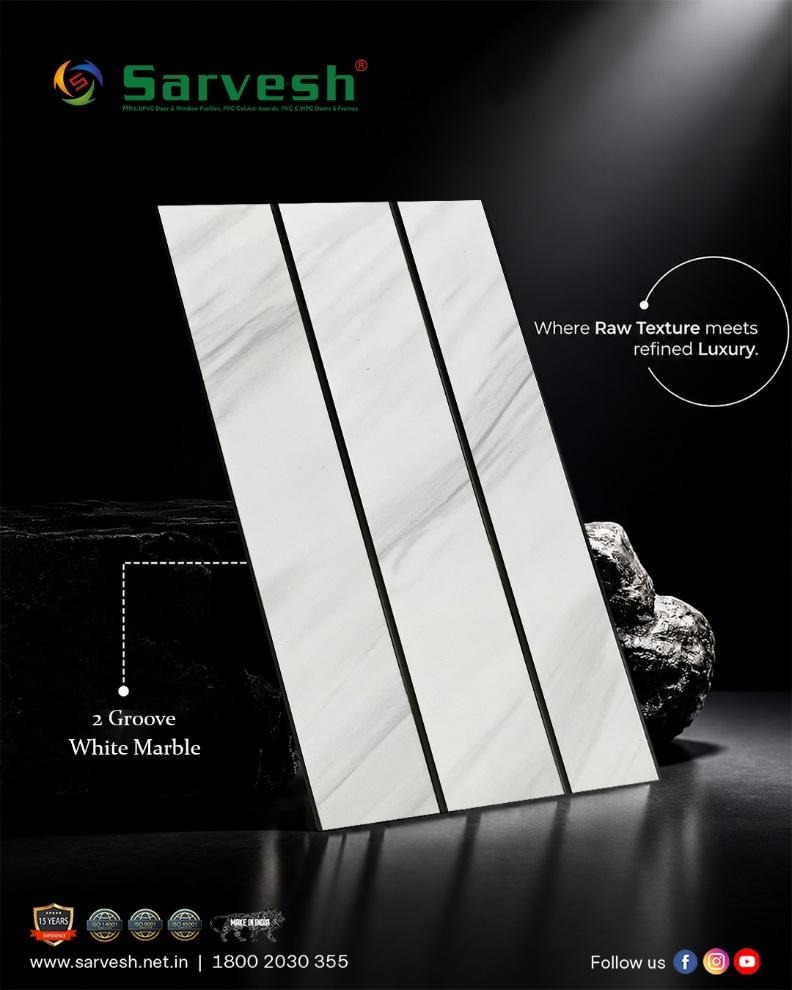
Paint can refresh a room, but wall panels offer another way to add texture, patterns and visual depth to your interiors. From living room feature walls and bedroom backdrops to contemporary TV walls and office interiors, the right wall panel design can help create a more distinctive space.
A fresh coat of paint can change the appearance of a room, but sometimes it takes more than colour to create an interior that feels complete. Plain walls can look simple and uniform, especially in spaces where you want to introduce depth, texture, or a distinctive design feature.
This is where wall panels can make a difference. Available in a variety of designs, finishes, and patterns, wall panels can transform ordinary walls into attractive features that complement modern interiors.
Choosing wall panels involves more than appearance. The material, finish, wall condition, installation method, maintenance requirements and overall wall panels price should all suit your project.
From elegant living room backgrounds and stylish bedroom walls to contemporary office interiors, wall panels offer design possibilities for different spaces. They can also help create a consistent interior theme without relying entirely on decorative paint techniques.
For homeowners, architects, interior designers, and commercial property owners exploring wall panels in India, choosing the right panel involves more than selecting an attractive design. The material, finish, installation method, maintenance requirements, and overall wall panels price should all be considered.
In this guide, we explore wall panel designs, their applications, selection tips, costs, and how they compare with traditional painted walls.
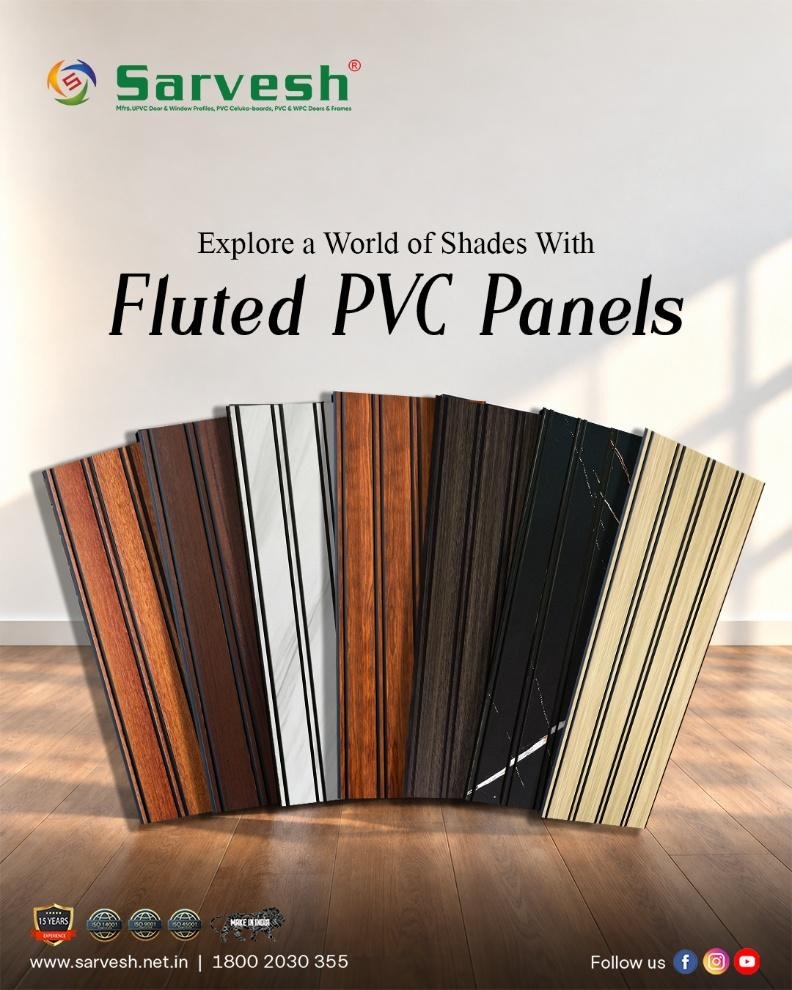
Are Wall Panels Better Than Plain Painted Walls?
Wall panels and painted walls serve different purposes. Paint is a versatile option for creating a simple, uniform finish, while wall panels can introduce texture, patterns, visual depth, and a more distinctive appearance.
The right choice depends on the room’s design, your budget, maintenance expectations, and the result you want to achieve.
Paint may be suitable when you want a straightforward finish that is easy to refresh. Wall panels may be preferable when you want a feature wall, a decorative background, or a particular material-inspired appearance.
In some interiors, both can work together. For example, a living room might combine a panelled TV wall with painted walls on the remaining sides.
Rather than treating panels and paint as competing options, consider how each can contribute to the overall interior design.
What Makes Wall Panels a Smart Choice for Modern Interiors?
Wall panels offer several design possibilities that can help create more visually interesting spaces. Their suitability depends on the panel material, finish, application, and installation quality.
Add Depth and Texture
One of the biggest advantages of wall panels is their ability to add dimension to an otherwise flat surface.
Textured panels, fluted patterns, and decorative profiles can create shadows and visual interest as light falls across the wall. Wood-look designs can introduce warmth, while geometric patterns can create a more contemporary appearance.
These effects are particularly useful when you want one wall to stand out without decorating the entire room.
Create a Finished, Premium Appearance
A carefully selected wall panel design can make a room feel more coordinated and thoughtfully planned.
Panels can be used behind a television, behind a bed, or in an entrance area to create a focal point. When their colour and finish complement the flooring, furniture, and lighting, they can help bring the entire interior together.
The final appearance depends on the quality of the panels, alignment, edge finishing, and installation workmanship.
Offer Different Design Possibilities
Wall panels are available in different styles, including wood-look finishes, textured surfaces, fluted designs, minimalist patterns, and decorative arrangements.
This variety makes it possible to select designs for different interior themes, from understated contemporary spaces to more decorative environments.
The available options depend on the specific product range and material. Before choosing a design, review actual product samples whenever possible.
Work Across Residential and Commercial Spaces
Wall panels can be used in homes, offices, retail environments, reception areas, showrooms, and other interiors.
In residential spaces, they can create attractive living rooms, bedroom backgrounds, and TV walls. In commercial spaces, panels can help reinforce a brand’s visual identity or create a more organised and professional environment.
However, panel selection should account for the amount of use, cleaning requirements, moisture exposure, and any fire-performance requirements relevant to the application.
Wall Panels: Design Ideas for Different Spaces
The best wall panel design depends on the purpose of the room, its size, existing colours, and the visual effect you want to achieve.
Wall Panels for Living Rooms
The living room is often the main space where family members gather and guests are welcomed. A well-designed feature wall can help define the room’s overall appearance.
Consider wood-look panels for a warm interior, textured panels for visual depth, or simple vertical designs for a modern look.
You can also combine wall panels with lighting, artwork, or carefully selected decorative elements.
For smaller living rooms, consider using panels on a single wall rather than covering every surface. This can create a focal point without making the space feel visually crowded.
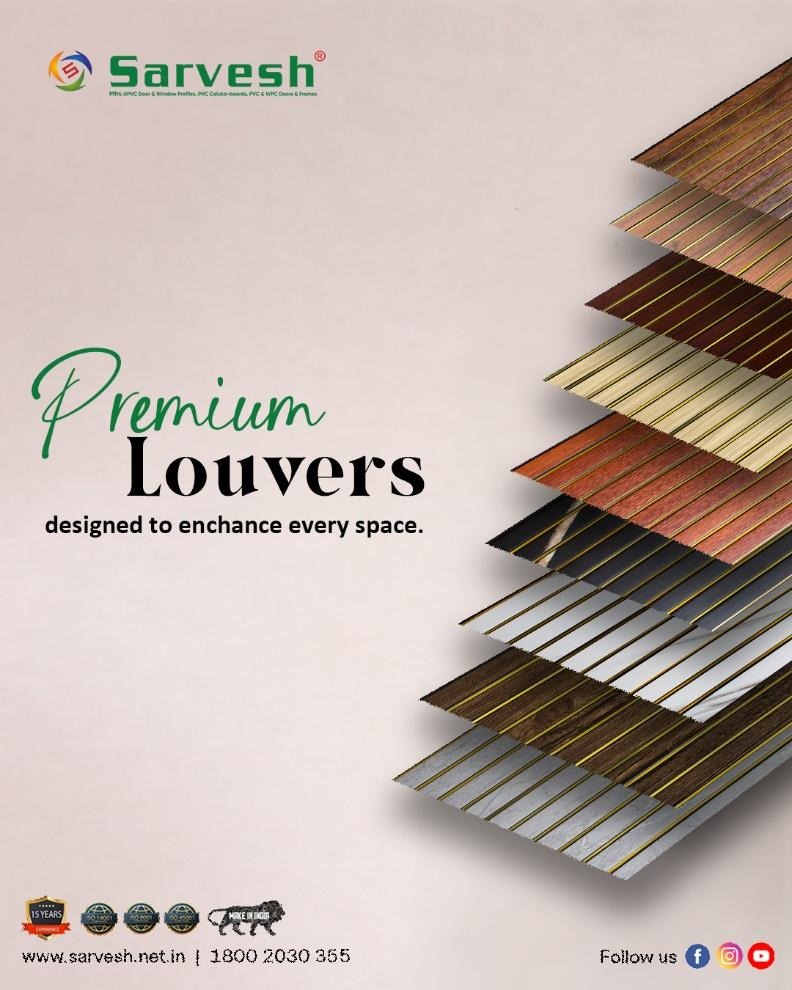
Wall Panels for Bedrooms
Bedroom wall panels can create a coordinated background behind the bed.
A headboard wall is a practical location for introducing a decorative finish because it naturally draws attention. Wood-inspired textures, subtle neutral shades, and vertical panel patterns can complement many bedroom styles.
When choosing panels for bedrooms, consider how they coordinate with the bed, wardrobe, curtains, and flooring.
A restrained colour palette can help create a comfortable appearance, while a contrasting panel finish can make the bed wall stand out.
Wall Panels for TV Walls
The TV wall is one of the most popular locations for decorative wall panels.
Panels can help create a visual background for the television and integrate it with storage cabinets, shelves, or display units.
Popular design approaches include:
- Fluted panels behind the television.
- Wood-look panels paired with neutral colours.
- Minimalist panels with concealed cable arrangements.
- Textured feature walls with integrated lighting.
- Panelled backgrounds combined with a contemporary TV unit.
Before installation, plan the television position, electrical points, cable access, and any wall-mounted equipment.
Wall Panels for Offices
Office interiors benefit from designs that balance appearance and practicality.
Wall panels can be used in reception areas, meeting rooms, executive cabins, and collaborative workspaces. Subtle textures and coordinated colours can help create a professional atmosphere without overwhelming the space.
For offices, consider cleaning requirements, durability, installation downtime, and compatibility with the existing interior layout.
In reception areas, a feature wall can also provide a suitable background for company branding or signage.
Wall Panels for Commercial Spaces
Retail stores, showrooms, hotels, and other commercial spaces often use interior finishes to create a memorable environment.
Wall panels can help establish a consistent design theme across display areas, customer-facing spaces, and selected feature walls.
For commercial applications, consider how the panels will perform under regular use. Confirm the suitability of the material for the location, particularly where moisture, cleaning chemicals, impact, or fire-safety requirements may be relevant.
A good design should balance appearance with the practical demands of the space.
Which Wall Panel Designs Work Best for Modern Interiors?
There is no single wall panel design that suits every room. The right option depends on the interior theme, room dimensions, lighting, and the finish available in the selected product range.
Wood-Look Panels
Wood-look wall panels introduce a warm, natural-inspired appearance without requiring the wall to be finished with solid timber.
They can work well in living rooms, bedrooms, TV units, and selected office interiors.
Pair them with neutral walls, simple furniture, and complementary lighting to create a balanced appearance.
Textured Panels
Textured wall panels add visual depth through surface patterns and finishes.
They can be useful for feature walls where you want more interest than a plain painted surface. Depending on the design, textured panels can look subtle or become a prominent decorative element.
Before choosing a heavily textured finish, consider the room’s lighting and the amount of other decoration already present.
Minimalist Panels
Minimalist wall panels focus on simple lines, restrained colours, and clean arrangements.
They are suitable for interiors where the furniture, lighting, and architectural details already contribute to the overall design.
Neutral shades and straightforward patterns can also make it easier to coordinate the panels with future furniture changes.
Decorative Patterns
Decorative wall panels can feature geometric arrangements, repeated patterns, or other distinctive designs.
These options can create a focal point in living rooms, reception areas, or selected commercial spaces.
Use decorative patterns strategically. A feature wall often provides enough visual interest without requiring the same pattern throughout the entire room.
Solid-Colour Panels
Solid-colour wall panels can create a clean and consistent appearance.
They can be matched with furniture, doors, wardrobes, or other interior elements. Neutral colours can help create a calm look, while contrasting colours can draw attention to a specific wall.
Check the actual finish and available colours before finalising your selection.
Feature-Wall Designs
A feature wall uses a distinctive finish to make one section of the room stand out.
Wall panels can be combined with lighting, painted surfaces, furniture, and decorative accessories to create a coordinated focal point.
Living rooms, TV backgrounds, bedroom headboard walls, and office reception areas are common locations for feature-wall designs.
For a balanced result, consider the panel pattern, lighting direction, furniture dimensions, and the amount of visible wall space.
How to Choose the Right Wall Panels for Your Space?
Selecting the right wall panels involves balancing appearance, practicality, and budget. Before buying, evaluate the room and the product specifications instead of choosing a design based only on a photograph.
Consider the Room Size
Room dimensions influence how a panel design will look.
Large patterns or dark finishes may create a strong visual effect, while lighter shades and simpler patterns may help smaller rooms feel less crowded.
Vertical designs can draw the eye upward, while horizontal arrangements can emphasise the width of a wall.
Always consider the actual wall dimensions and furniture placement before selecting a pattern.
Match the Interior Colour Palette
Wall panels should complement the existing interior rather than appear disconnected from it.
Consider the wall paint, flooring, doors, windows, furniture, curtains, and lighting before selecting a colour.
If the room already contains several strong colours or patterns, a simpler panel finish may provide better balance. If the room is mostly neutral, a textured or contrasting panel can create visual interest.
Select the Right Texture and Finish
The finish influences both appearance and practical maintenance.
Smooth surfaces may be easier to wipe down, depending on the material and product instructions. Textured finishes can add depth but may require more attention when cleaning.
For areas exposed to moisture, confirm that the selected panel is suitable for the location and that the installation method addresses the conditions.
Do not assume that every decorative panel is waterproof or suitable for outdoor use.
Decide Between an Accent Wall and Full-Wall Installation
An accent wall can provide a distinctive design feature without covering every wall. It is often suitable for TV backgrounds, headboard walls, and selected entrance areas.
Full-wall installation may be appropriate when a consistent finish is needed across a larger area or when the interior design calls for it.
Consider the quantity of material, installation time, overall cost, and the visual effect before deciding.
Consider Maintenance and Usage
Think about how frequently the wall will be touched, cleaned, or exposed to moisture.
A wall behind a sofa may have different maintenance needs from a kitchen wall or a busy commercial corridor.
Check the manufacturer’s instructions for cleaning, installation, temperature limits, and intended use. Selecting a panel that suits the environment can help maintain its appearance over time.
Wall Panels in India: What Should You Consider?
The demand for contemporary interiors has encouraged interest in different wall panel designs across homes, offices, retail environments, and commercial properties in India.
However, the best choice varies according to regional preferences, climate, building conditions, and project requirements.
Interior trends and preferences: Wood-look finishes, fluted designs, neutral shades, and feature walls are options to consider when planning modern interiors. Choose a style that suits your space rather than following a trend without considering long-term appeal.
Residential versus commercial applications: Homes may prioritise appearance and everyday maintenance, while commercial projects may also require careful consideration of cleaning frequency, impact resistance, installation schedules, and applicable safety requirements.
Design and finish availability: Before finalising a panel, confirm the available colours, patterns, dimensions, and surface finishes with the supplier. Product ranges vary between manufacturers.
Installation requirements: Wall condition, measurements, fixing methods, edge finishing, and access to electrical points can influence the final result. Professional installation may be appropriate for complex patterns or large feature walls.
When choosing wall panels in India, review actual samples and confirm the product specifications, suitability, and installation scope before placing an order.
How Much Do Wall Panels Cost?
The wall panels price depends on the type of panel, material, dimensions, finish, quantity, customisation, and installation requirements.
Two designs may look similar but have different prices because their materials, thicknesses, manufacturing processes, and fixing systems differ.
Material and Panel Type
Different panel materials have different costs and applications. The selected material should suit the location where it will be installed.
Compare specifications and intended uses rather than assuming that all wall panels offer the same performance.
Size and Thickness
Panel dimensions and thickness can affect the amount of material required and the overall project cost.
For accurate estimates, measure the wall area and confirm the dimensions of the panels being quoted.
Finish and Design
Simple finishes may differ in price from specialised textures, decorative patterns, or wood-look designs.
Custom patterns and more detailed arrangements can also affect fabrication and installation requirements.
Quantity Required
The total wall area influences the number of panels required. The layout, cutting requirements, and amount of material wasted during installation can also affect the final quantity.
For this reason, measurements should be confirmed before purchasing the panels.
Installation
Installation costs may depend on wall condition, surface preparation, fixing methods, pattern alignment, access, and finishing requirements.
Ask whether the quotation includes installation, accessories, edge finishing, transportation, and any necessary surface preparation.
Customisation
Custom colours, special dimensions, distinctive patterns, and customised layouts may influence the final quotation.
When comparing wall panels price, request a breakdown of the material and installation costs so that you can compare different options fairly.
There is no single price applicable to every wall panel project. A project-specific quotation based on the wall dimensions and chosen product will provide a more reliable estimate.
Wall Panel Designs for Different Spaces
Wall Panels for Living Rooms
A living room feature wall can help define the space and coordinate the furniture, lighting and decorative elements. Wood-look, fluted or textured panels can be considered depending on the interior style. In smaller rooms, a single feature wall may create visual interest without overwhelming the space.
Wall Panels for Bedrooms
The wall behind the bed is a natural location for a decorative panel. Choose a finish that complements the bed, wardrobe, curtains and flooring. Consider the panel dimensions and placement of bedside lighting before installation.
Wall Panels for TV Walls
A TV wall can combine decorative panels with a television, storage cabinets and display shelves. Plan the television position, cable access, electrical points and mounting requirements before selecting the final design.
Wall Panels for Offices
Office panels can help create a coordinated appearance in reception areas, meeting rooms and executive cabins. Consider cleaning requirements, installation schedules, the intended level of use and any applicable safety requirements.
Wall Panels for Commercial Interiors
Retail spaces, showrooms and other commercial environments may use panels to create a consistent design theme. Select the material according to the location, cleaning frequency, expected wear and any relevant fire-performance requirements.
Wall Panels vs Paint: Which Is Right for Your Walls?
Both wall panels and paint can contribute to an attractive interior. The best option depends on your budget, design preferences, wall condition, and maintenance expectations.
| Feature | Wall Panels | Painted Walls |
| Appearance | Can add texture, patterns, and visual depth | Offers a wide range of colours and paint finishes |
| Design options | Decorative surfaces, fluted designs, wood-look styles, and other patterns | Solid colours, colour combinations, and specialist paint effects |
| Installation | Requires suitable fixing or installation methods | Requires surface preparation and painting |
| Maintenance | Depends on panel material, finish, and installation | May need cleaning or repainting as the finish wears |
| Wall condition | Some systems can cover minor visual imperfections if installed correctly | Surface preparation is important for a smooth finish |
| Cost | Depends on material, design, quantity, and installation | Depends on paint type, preparation, labour, and number of coats |
| Best suited for | Feature walls and interiors requiring a distinct finish | Uniform finishes and spaces where flexibility in colour is important |
Which should you choose?
Choose paint if you want a straightforward finish with flexible colour options and a relatively simple way to refresh the room.
Consider wall panels if you want to introduce a particular texture, pattern, or decorative feature.
You can also combine both. A panelled TV wall with painted surrounding walls can create a balanced design without requiring panels throughout the room.
Why Choose Sarvesh Wall Panels to Transform a Plain Room?
Choosing wall panels is an opportunity to give your interiors a more distinctive appearance while maintaining a practical approach to design.
Sarvesh offers interior product solutions for residential and commercial applications. When exploring wall panel options, consider the available designs, surface finishes, dimensions, and suitability for your intended space.
Whether you are planning a living room feature wall, a bedroom background, a TV wall, or a commercial interior, selecting the right panel begins with understanding the design and installation requirements.
Before placing an order, discuss your preferred finish, wall dimensions, installation method, and maintenance expectations with your supplier or authorised dealer. Confirm the product specifications and quotation for your project.
Explore Sarvesh products and interior solutions at: https://www.sarvesh.net.in/
Transform plain walls into purposeful design features with wall panels that complement your space and style.
Frequently Asked Questions
What are wall panels used for?
Wall panels are used to decorate and finish interior walls. They can introduce texture, patterns, colour, and visual depth. Common applications include living rooms, bedroom feature walls, TV backgrounds, offices, reception areas, and retail interiors.
Are wall panels suitable for Indian homes?
Yes. Wall panels can be suitable for Indian homes when the selected material and installation method match the room’s conditions. Consider moisture exposure, temperature, cleaning requirements, wall condition, and the manufacturer’s intended-use guidance before purchasing.
How much do wall panels cost in India?
Wall panels price in India varies according to the material, panel dimensions, thickness, finish, design, quantity, and installation requirements. Request a project-specific quotation based on your wall measurements and selected product for an accurate estimate.
What Affects Wall Panels Price?
- Material and panel type: Different materials are designed for different applications and may have different costs.
- Dimensions and thickness: Panel size and thickness influence material requirements and the quantity needed.
- Finish and design: Specialised textures, wood-look surfaces and decorative patterns may affect the price.
- Quantity required: The wall area, panel layout, cutting and wastage can influence the total material requirement.
- Installation: Surface preparation, fixing methods, alignment, transportation and edge finishing may affect labour costs.
- Customisation: Special dimensions, colours and layouts may involve additional work.
What to Check Before Accepting a Quotation
Ask the supplier to confirm:
- The panel material, dimensions and thickness.
- The finish, colour and design selected.
- The quantity required for the measured wall area.
- Whether accessories and fixing materials are included.
- Whether surface preparation and installation are included.
- Transportation, edge finishing and any additional charges.
- The product’s maintenance instructions and applicable warranty terms.
Compare quotations using the same product specifications and installation scope. For an accurate estimate, request a project-specific quotation based on the measured wall area and selected panel.
Should You Choose Wall Panels or Paint?
Choose paint if you prefer a straightforward finish with flexible colour options and a relatively simple way to refresh a room.
Consider wall panels if you want a particular texture, pattern or decorative feature. The suitability will depend on the selected panel material and installation requirements.
You can also combine the two. A panelled TV wall with painted surrounding walls can create a focal point without requiring panels throughout the room.
Which wall panels are best for living rooms?
Wood-look, fluted, textured, minimalist, and solid-colour panels can all work well in living rooms. The best option depends on the room size, furniture, lighting, colour palette, and desired appearance. A single feature wall can be a good starting point.
Are wall panels easy to maintain?
Maintenance depends on the panel material and finish. Many interior panels can be cleaned using suitable methods, but cleaning products and moisture exposure should follow the manufacturer’s instructions. Choose a finish that suits the usage and maintenance requirements of the room.
Final Thoughts
Your walls are an important part of your interior design, and they do not have to remain plain to look elegant. Wall panels offer opportunities to introduce texture, colour, patterns, and distinctive finishes into homes and commercial spaces.
From living room feature walls to bedroom backgrounds and contemporary office interiors, the right design can help create a more coordinated space.
Before choosing wall panels, consider the room size, material, finish, installation requirements, maintenance, and total wall panels price. Comparing these factors will help you select an option that suits both your design preferences and your budget.
Explore Sarvesh’s interior solutions and choose wall panel designs that bring more character to your walls.
Trending Blogs
-
#1. UPVC Furniture: Why Practical Doesn’t Have to Look Plain
-
#2. The Hidden Costs of Choosing the Wrong Door for Your Home
-
#3. Best Ready-Made Plastic Bathroom Doors for Indian Homes
-
#4. Best PVC Wall Panel Designs for a Modern Living Room in India
-
#5. How to Choose the Right WPC Door and Frames for Your Home
-
#6. How AR and VR Help Homeowners Choose Doors and Interior Finishes
-
#7. PVC Doors vs Wooden Doors: Which Is Better for Indian Homes?
-
#8. Fluted Panels vs Soffit Panels: Which One Do You Need?
-
#9. Why Is uPVC Furniture the Best Choice for Modern Home Interiors?
-
#10. Which PVC Wall Panels Are Best for Modern Living Room Designs
Latest Blogs
Download Brochure
Looking for the Perfect Doors & Windows for Your Space?

Contact Us
LET'S TALK
Looking to upgrade your space with premium doors, windows, or decorative solutions? Whether you're an architect, builder, or homeowner, our team is here to support your project from concept to completion.

© 2026, Sarvesh. All rights reserved.