Blogs
UPVC Furniture: Why Practical Doesn’t Have to Look Plain
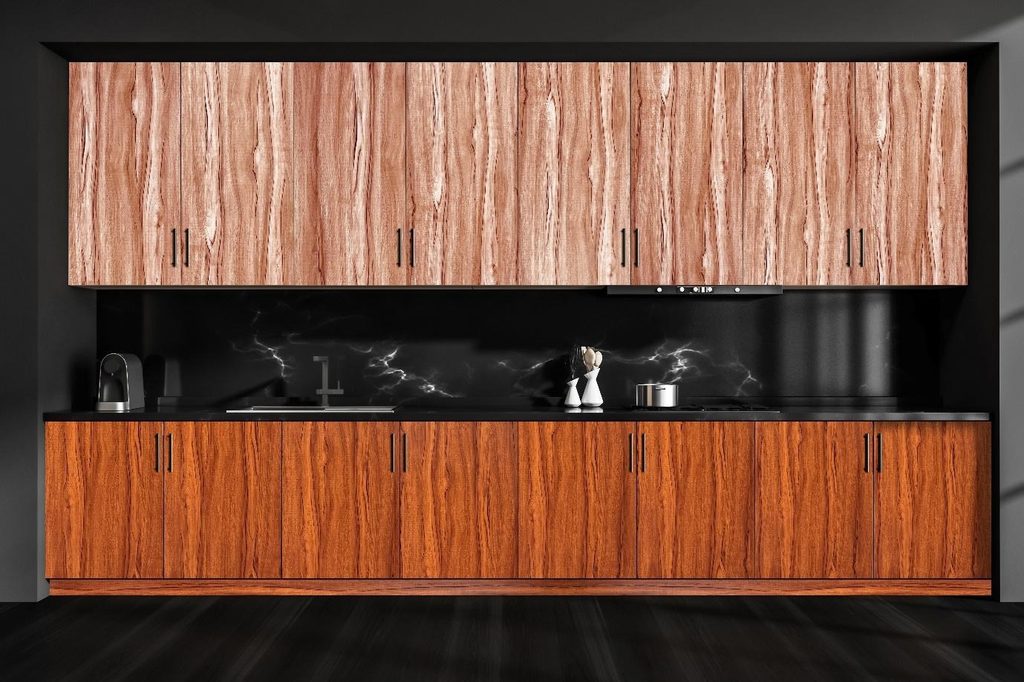
When people think about UPVC furniture, the first things that may come to mind are practicality, easy maintenance, and everyday durability. But modern interiors demand more than functionality. Homeowners today also want furniture that looks stylish, complements their interiors, and makes efficient use of available space.
UPVC furniture can be designed to look modern, stylish and practical. With the right colours, surface finishes, storage layouts and hardware, it can complement contemporary homes without compromising on everyday functionality.
From UPVC wardrobes and TV units to kitchen cabinets and compact storage, the design should suit your available space, interior style and storage needs. The finish, configuration and available customisation options will depend on the product range.
This is where UPVC furniture has evolved.
Modern UPVC furniture can be designed with different colours, finishes, textures, configurations, and storage layouts. From wardrobes and TV units to kitchen cabinets and compact storage solutions, UPVC furniture can be adapted to suit different interior styles.
For homeowners looking for an UPVC interior solution, the focus is no longer simply on choosing a functional material. It is about creating furniture that combines practicality with a clean and contemporary appearance.
In this guide, learn how to choose UPVC furniture for interiors, compare popular design finishes, plan furniture for different rooms and understand the factors that influence UPVC furniture price.
Can UPVC Furniture Look Stylish in Modern Homes?
Yes. Modern UPVC furniture can be designed to complement contemporary interiors rather than looking purely functional.
The overall appearance depends on factors such as the design, colour, surface finish, hardware, proportions, and how the furniture is coordinated with the rest of the room.
The right design depends on the room, available space, intended use and the finishes offered in the selected product range. Before choosing a design, compare samples where available and confirm the material, hardware and maintenance requirements with the supplier.
How Modern UPVC Furniture Has Moved Beyond Basic Designs
Furniture design has changed significantly with modern interior trends.
Instead of simple storage boxes or basic cabinets, today’s furniture can feature clean lines, integrated storage, contrasting panels, contemporary handles, and customized configurations.
UPVC furniture can be planned according to the dimensions of a room, allowing homeowners to make better use of corners, walls, alcoves, and other spaces.
This makes it suitable for homes where both appearance and practical storage are important.
Design, Finish and Colour Options
The visual appearance of UPVC furniture depends greatly on the finish selected.
Depending on the available product range, furniture can be designed using:
- Solid colours
- Neutral shades
- Wood-look finishes
- Glossy surfaces
- Matte finishes
- Textured surfaces
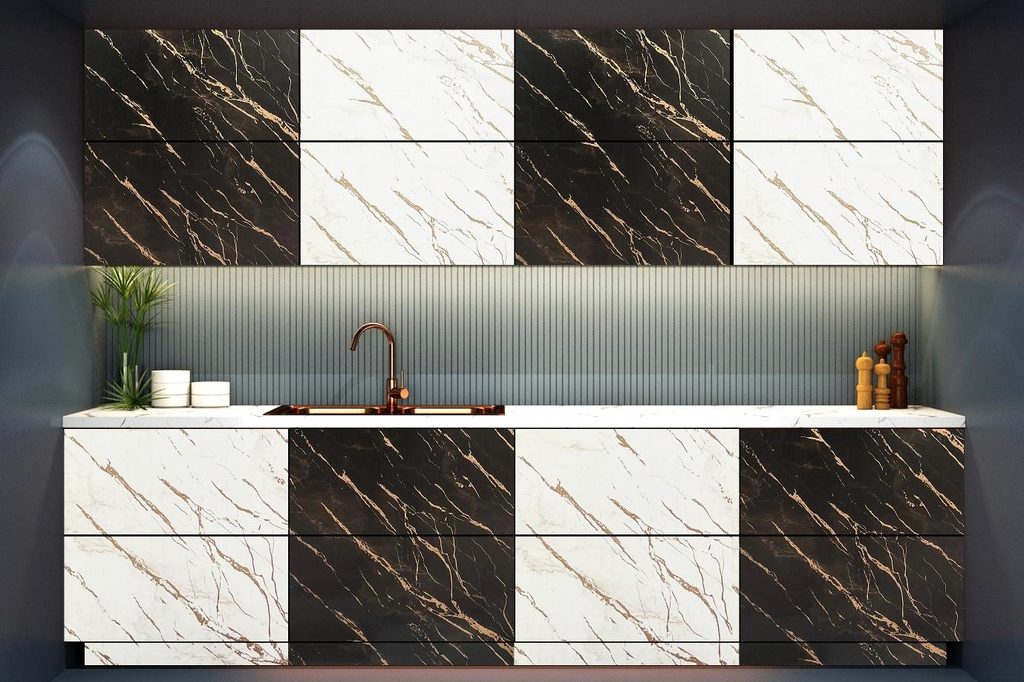
- Contrasting colour combinations
The right combination can help furniture blend naturally with walls, flooring, doors, and other interior elements.
What Makes UPVC Furniture a Stylish Choice for Interiors?
A good interior design does not require every piece of furniture to look identical. Instead, colours, textures, proportions, and finishes can be combined to create a balanced appearance.
UPVC furniture provides flexibility to experiment with these elements.
Modern Finishes and Surface Textures
The surface finish can significantly influence the appearance of furniture.
A glossy surface can create a clean and contemporary appearance, while a matte finish can provide a more subtle and sophisticated look.
Wood-look surfaces can be considered when homeowners want the visual warmth of wood-inspired designs while using a practical furniture material.
Textured finishes can also add visual depth without requiring complicated furniture shapes.
Clean and Minimal Designs
Minimalism continues to be an important interior design trend.
Instead of excessive decorative elements, modern furniture often focuses on:
- Straight lines
- Simple shapes
- Integrated storage
- Concealed or minimal hardware
- Balanced proportions
- Limited colour combinations
UPVC furniture can be designed around these principles, making it suitable for contemporary apartments, villas, offices, and other interiors.
Different Colour Combinations
Colour can transform the appearance of a furniture unit.
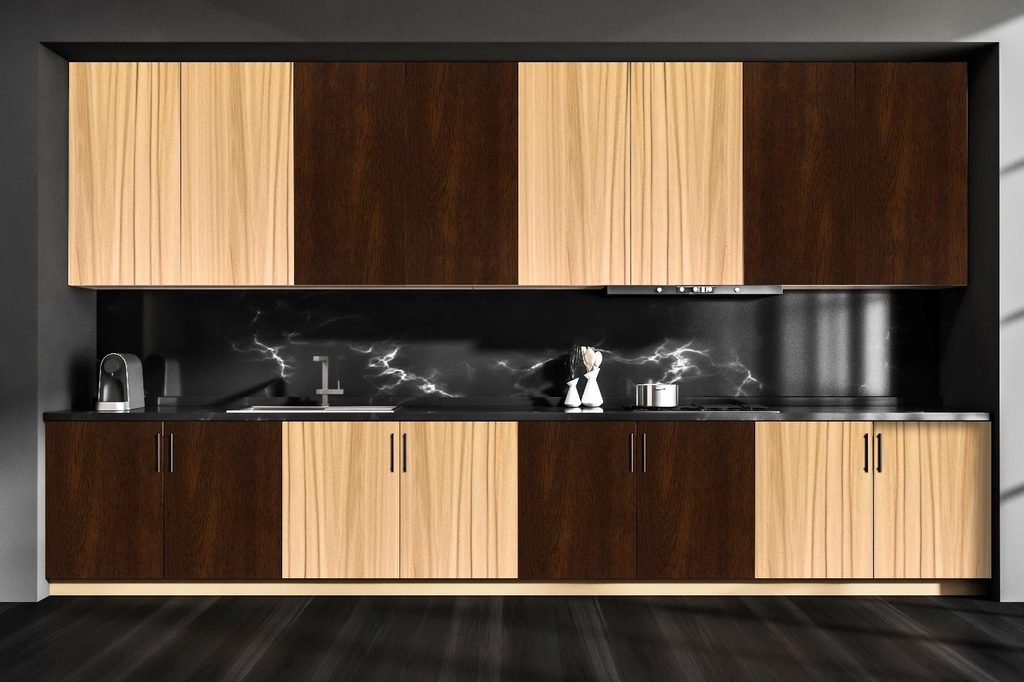
For example, a neutral cabinet can be paired with a darker accent panel. Wood-inspired finishes can be combined with solid colours, while lighter tones can help create a more open visual appearance.
When selecting colours, consider the existing wall colour, flooring, doors, curtains, lighting, and other furniture.
Customised Sizes and Layouts
One of the major advantages of custom furniture is the ability to design around the available space.
A wardrobe can be planned according to the wall width. A TV unit can be designed around the television size and electrical points. Kitchen storage can be configured according to available wall and floor space.
Customisation allows homeowners to use areas that might otherwise remain unused.
UPVC Furniture for Interiors: Design Ideas That Stand Out
The versatility of UPVC Furniture for Interiors makes it suitable for different areas of a home.
Here are some ideas that can help create a practical yet stylish UPVC interior.
Minimalist UPVC Storage Designs
Storage is one of the most important requirements in modern homes.
Instead of using multiple standalone cabinets, homeowners can create integrated storage units that use the available wall space efficiently.
Minimalist UPVC storage can be designed with:
- Full-height cabinets
- Open and closed storage
- Floating-style units
- Concealed compartments
- Combination shelves
- Contrasting panels
A simple design with a carefully selected finish can make storage look like part of the overall interior rather than an additional piece of furniture.
Contemporary UPVC Wardrobes
Wardrobes occupy a significant visual area in bedrooms, so their design can influence the entire room.
Modern UPVC wardrobes can be customised based on the available wall dimensions and storage requirements.
Possible configurations include:
- Sliding or hinged shutters
- Multiple storage sections
- Open shelves
- Hanging areas
- Drawers
- Full-height designs
- Contrasting finishes
For a premium appearance, choose a finish that coordinates with the bedroom walls and flooring rather than selecting the wardrobe colour in isolation.
Stylish UPVC TV and Display Units
A TV unit can become a central feature of a living room.
UPVC can be used to create combinations of closed cabinets, display shelves, and open sections.
For a cleaner appearance, cables and accessories can be planned into the unit during the design stage.
A simple colour combination such as a neutral base with a contrasting feature panel can create a contemporary appearance without making the unit visually heavy.
Modern UPVC Kitchen Furniture
Kitchen furniture needs to balance storage, accessibility, appearance, and everyday practicality.
UPVC kitchen furniture can be planned around the available kitchen layout, including overhead cabinets, base units, storage sections, and utility areas.
Before finalising the design, consider:
- Available wall and floor space
- Storage requirements
- Appliance positions
- Easy access
- Cleaning requirements
- Colour coordination
- Hardware selection
A well-planned layout can make the kitchen feel organised while maintaining a modern appearance.
Custom UPVC Furniture for Compact Spaces
Compact homes require furniture that uses every available area efficiently.
Custom UPVC furniture can be designed for:
- Small bedrooms
- Narrow hallways
- Balcony storage
- Utility areas
- Compact kitchens
- Under-stair spaces
- Small home offices
Instead of forcing standard-sized furniture into a small room, a customised design can make better use of the available dimensions.
How to Make UPVC Furniture Look More Premium
The material alone does not determine whether furniture looks premium. Design decisions can have an equally important impact.
Choose the Right Colour Palette
Start with the colours already present in the room.
If the walls and flooring are light, furniture in neutral or slightly contrasting shades can create a balanced appearance.
For larger furniture units, neutral colours can help prevent the room from feeling visually crowded.
Accent colours can then be introduced through selected panels or smaller sections.
Combine Contrasting Finishes
Combining two complementary finishes can make a furniture unit more visually interesting.
For example, a wood-look finish can be paired with a solid neutral colour. Similarly, matte surfaces can be combined with selected glossy elements.
The key is moderation. Too many finishes or colours can make the furniture appear busy.
Match Furniture with Walls and Flooring
Furniture should be considered as part of the complete interior.
Before selecting a finish, compare it with:
- Wall colour
- Flooring
- Ceiling
- Doors
- Windows
- Curtains
- Lighting
- Existing furniture
A coordinated colour palette creates a more cohesive interior.
Use Lighting to Highlight Furniture Features
Lighting can change how furniture finishes appear.
LED strip lighting can be considered for selected display shelves, TV units, or wardrobes where appropriate.
Warm lighting can create a comfortable atmosphere, while brighter neutral lighting may work better in workspaces and kitchens.
The lighting should complement the furniture rather than overpower it.
Which UPVC Finishes Work Best for Modern Interiors?
The ideal finish depends on the design style of the room and the available UPVC furniture options.
Glossy Finishes
Glossy finishes reflect light and can create a clean, contemporary appearance.
They may work particularly well in modern kitchens, TV units, and selected storage designs.
However, the visibility of fingerprints, dust, or surface marks should also be considered when choosing a glossy finish.
Wood-Look Finishes
Wood-look finishes can bring a warmer visual character to an interior.
They can be particularly suitable for bedrooms, living rooms, wardrobes, and furniture where homeowners want a wood-inspired appearance.
Combining wood-look surfaces with neutral colours can create a balanced modern design.
Matte Finishes
Matte surfaces offer a more understated appearance.
They can work well with minimalist interiors where homeowners prefer soft, subtle furniture rather than highly reflective surfaces.
Neutral matte shades are particularly versatile because they can complement different wall and flooring combinations.
Textured Finishes
Textured finishes can introduce visual depth and help break up large furniture surfaces.
They can be used as feature panels or combined with plain finishes to create a more customised appearance.
The texture should complement the overall interior instead of competing with other patterns in the room.
Solid Colours and Neutral Tones
Neutral colours such as white, grey, beige, and other understated tones are easy to coordinate with many interior styles.
Solid colours can also be used to create accent areas.
For a timeless appearance, consider using one dominant colour and one complementary accent rather than using several unrelated colours.
| Finish | Appearance | What to consider |
| Glossy | Smooth, reflective & contemporary | Fingerprints, dust and visible surface marks |
| Matte | Subtle and understated | Check the available shades and cleaning guidance |
| Wood-look | Warm, wood-inspired appearance | Confirm the actual finish and colour against a sample |
| Textured | Adds visual depth | Ensure it coordinates with other patterns in the room |
| Solid colour | Clean and versatile | Coordinate with walls, flooring and existing furniture |
Does Stylish UPVC Furniture Cost More?
The UPVC Furniture price depends on several factors. A stylish design does not automatically mean that the furniture will be expensive, but customisation and additional features can influence the final cost.
Standard vs Customised Designs
Standard furniture configurations may have simpler manufacturing requirements, while customised furniture can involve additional design, cutting, fabrication, and installation work.
The dimensions and layout of the furniture can also influence the final price.
Finish Selection
Different finishes may have different costs depending on the material, availability, surface treatment, and design.
A basic solid colour may differ in price from a specialised textured or wood-look finish.
Hardware and Accessories
Handles, hinges, drawer systems, storage accessories, lighting, and other hardware can contribute to the overall cost.
Premium or specialised hardware may increase the investment but can provide additional functionality depending on the application.
Design Complexity
A simple cabinet with straight lines generally requires less design complexity than a furniture unit with multiple sections, unusual dimensions, curved elements, integrated lighting, or specialised storage.
Before ordering, discuss the design requirements and obtain a detailed quotation.
Size and Configuration
Larger furniture naturally requires more material and may involve additional installation work.
The number of shutters, shelves, drawers, compartments, and other components can also influence the final price.
Therefore, there is no single fixed UPVC Furniture price for every project. The most accurate way to compare prices is to provide the required dimensions and specifications and request a project-specific quotation.
UPVC Furniture Ideas for Different Rooms
1. UPVC Wardrobes for Bedrooms
Plan the wardrobe around the available wall space, clothing storage needs and bedroom layout. Decide whether hinged or sliding shutters suit the room, and consider shelves, drawers and hanging sections before finalising the design. Choose a finish that complements the flooring and other bedroom furniture.
2. UPVC TV Units for Living Rooms
A TV unit can combine closed storage with open display sections. Measure the television and available wall space, and plan cable access and electrical points before installation. Use a coordinated finish to connect the TV unit with the rest of the living room.
3. UPVC Kitchen Furniture
Kitchen furniture should support storage, accessibility and the room’s layout. Consider the placement of appliances, overhead cabinets, base units and utility storage. Confirm the material’s suitability for the intended application and follow the supplier’s cleaning and maintenance instructions.
4. UPVC Furniture for Compact Homes
In smaller rooms, measure the available area carefully before selecting furniture. Consider full-height storage, corner units, under-stair cabinets or compact workspaces where suitable. Keep the layout practical and avoid adding compartments that reduce ease of access.
5. UPVC Storage for Utility Areas
Utility furniture should be planned around the items being stored, access requirements and the conditions in the intended location. Confirm suitability with the supplier before choosing materials and finishes for areas exposed to moisture or heat.
UPVC Interior Design: How to Create a Cohesive Look
Creating a stylish UPVC interior is about coordinating furniture with the entire room.
Start by selecting a basic colour palette. Choose one primary finish and then introduce one or two complementary colours or textures.
For example, a room with light walls and neutral flooring could use furniture with a wood-look finish and subtle solid-colour accents.
You should also maintain consistency between different furniture units. If the wardrobe uses a particular wood-look finish, consider using the same or a complementary finish for the TV unit or storage cabinets.
However, everything does not need to be identical. Small variations in texture or colour can add visual interest while maintaining an overall connection.
The final design should balance:
- Functionality
- Storage
- Colour
- Texture
- Lighting
- Room proportions
- Ease of maintenance
A thoughtful combination of these elements can make practical furniture feel like an intentional part of the interior design.
Why Choose Sarvesh Design-Focused UPVC Furniture?
Choosing the right furniture involves more than selecting a material. The design, configuration, finish, dimensions, and intended application all matter.
Sarvesh provides UPVC furniture solutions designed around practical interior applications. Depending on the product and configuration, UPVC furniture can be considered for storage, wardrobes, TV units, kitchen applications, and other interior requirements.
For a project-specific solution, discuss your available space, preferred design, colour, finish, storage requirements, and dimensions with the Sarvesh team or authorised channel partner.
Whether your interior style is minimalist, contemporary, traditional, or a combination of different influences, the right UPVC furniture design can help you create a space that is both practical and visually appealing.
Explore Sarvesh’s solutions at: https://www.sarvesh.net.in/
Frequently Asked Questions
Can UPVC furniture be customised for modern interiors?
Yes. UPVC furniture can be planned around available dimensions, storage requirements, layouts, colours, finishes, and design preferences. Customisation options depend on the product and manufacturing capabilities.
Does UPVC furniture come in different colours and finishes?
Yes. Depending on the available product range, UPVC furniture can be available in different colours, surface finishes, textures, and wood-look designs. Always check the current product catalogue for available options.
Can UPVC furniture look like wood?
Yes. Wood-look finishes can give UPVC furniture a wood-inspired appearance while maintaining the characteristics of the selected UPVC material. The final appearance depends on the specific finish and product.
What affects UPVC furniture price?
UPVC Furniture price can depend on size, design complexity, finish, hardware, accessories, configuration, customisation, and installation requirements. For an accurate estimate, request a quotation based on your actual furniture dimensions and specifications.
UPVC furniture price depends on the size, design, finish, hardware, storage configuration and installation requirements. A simple cabinet and a customised wardrobe may have different costs because they require different materials, components and fabrication work.
Before requesting a quotation, prepare the following details:
- Dimensions: width, height and depth of the furniture.
- Design: cabinet, wardrobe, TV unit, kitchen storage or another application.
- Configuration: number of shutters, shelves, drawers and compartments.
- Finish: preferred colour, texture or wood-look option.
- Hardware: handles, hinges, drawer systems and other accessories.
- Installation: delivery, fitting and any additional work required.
How to Compare UPVC Furniture Quotations
Ask each supplier to specify the material, dimensions, finish, hardware, included accessories, installation charges and applicable warranty terms. Compare quotations using the same specifications rather than choosing on the headline price alone.
There is no single price that applies to every UPVC furniture project. Request a quotation based on your actual requirements and confirm which features are included.
Can UPVC furniture look like wood?
Yes. Wood-look finishes are available for certain UPVC furniture applications and can be used to create a warmer interior appearance. Availability depends on the product range and selected design.
Final Thoughts
UPVC furniture does not have to be plain or purely functional. With the right combination of colour, finish, layout, hardware, lighting, and proportions, it can become an attractive part of a modern interior.
From wardrobes and TV units to kitchen furniture and compact storage, UPVC Furniture for Interiors can offer flexible design possibilities for different spaces.
Instead of choosing furniture based only on appearance or UPVC Furniture price, consider the complete solution—design, functionality, space utilisation, finish, maintenance, and suitability for your room.
With thoughtful planning, practical furniture can look just as stylish as it performs.
Trending Blogs
-
#1. The Hidden Costs of Choosing the Wrong Door for Your Home
-
#2. Best Ready-Made Plastic Bathroom Doors for Indian Homes
-
#3. Best PVC Wall Panel Designs for a Modern Living Room in India
-
#4. How to Choose the Right WPC Door and Frames for Your Home
-
#5. How AR and VR Help Homeowners Choose Doors and Interior Finishes
-
#6. PVC Doors vs Wooden Doors: Which Is Better for Indian Homes?
-
#7. Fluted Panels vs Soffit Panels: Which One Do You Need?
-
#8. Why Is uPVC Furniture the Best Choice for Modern Home Interiors?
-
#9. Which PVC Wall Panels Are Best for Modern Living Room Designs
-
#10. Why ABS Doors Are the Best Choice for Bathrooms and Homes in India
Latest Blogs
Download Brochure
Looking for the Perfect Doors & Windows for Your Space?

Contact Us
LET'S TALK
Looking to upgrade your space with premium doors, windows, or decorative solutions? Whether you're an architect, builder, or homeowner, our team is here to support your project from concept to completion.

© 2026, Sarvesh. All rights reserved.