Uncategorized
How to Design a Stunning Feature Wall Using Fluted Wall Panels
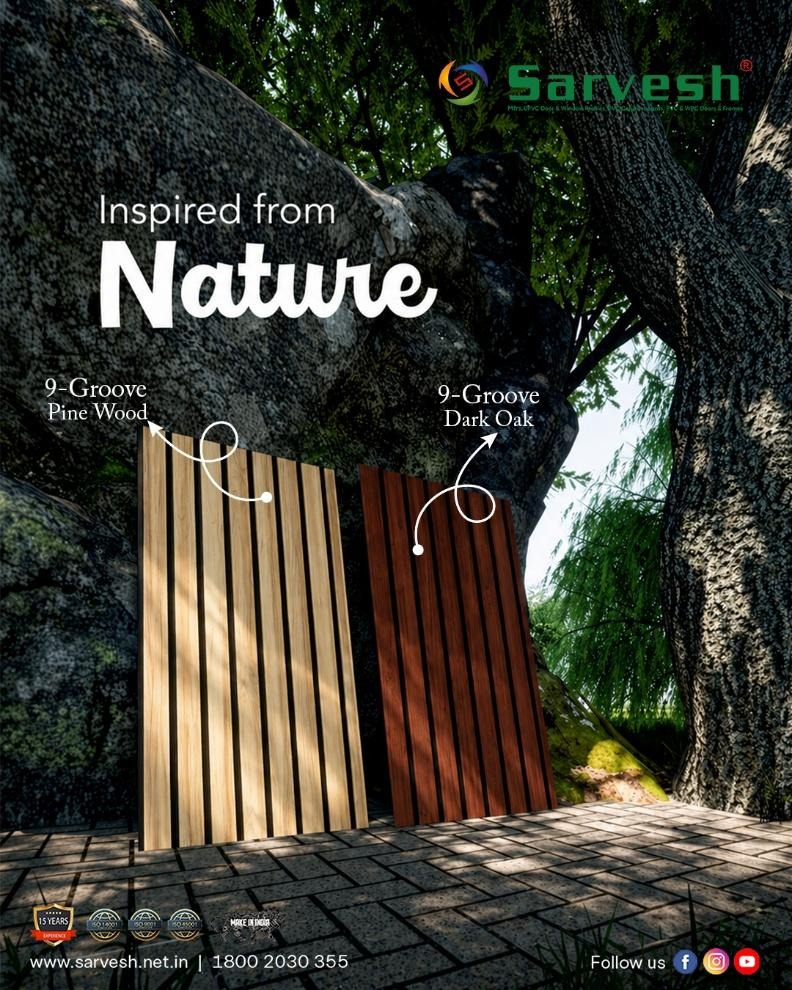
A well-designed feature wall can change the entire appearance of a room. Instead of leaving a large wall plain, you can use textures, patterns and materials to create an attractive focal point. One popular choice in modern interiors is the fluted wall panel, known for its distinctive linear grooves and elegant appearance.
From living rooms and bedrooms to office interiors, fluted wall panel designs offer a stylish way to add depth and character to different spaces. They are available in various colours, textures and finishes, making it easier to coordinate them with contemporary, minimalist and traditional interiors.
Whether you are planning a complete interior renovation or simply updating one wall, this guide explores seven fluted wall panel designs, suitable applications, material selection, installation considerations and factors affecting the fluted wall panel price in India.
Why Are Fluted Wall Panels a Good Choice for Feature Walls?
Fluted wall panels are a decorative wall covering featuring repeated grooves and raised patterns that create texture and depth. Their linear design can make a plain wall more visually interesting without requiring complicated decorative elements.
They can be used behind television units, sofas, bedroom headboards and selected office or reception walls. Depending on the material, finish and product specifications, fluted panels can complement modern, minimalist and contemporary interiors.
The right design depends on the wall dimensions, furniture arrangement, lighting and overall interior theme.
What Is a Fluted Wall Panel?
A fluted wall panel is a decorative wall covering with repeated grooves, ridges or vertical lines across its surface. These raised and recessed patterns create a textured appearance that adds visual interest to otherwise plain walls.
Fluted panels are available in different materials and finishes, including wood-based options, PVC and other decorative panel materials. Depending on the product, they can be used for residential and commercial interiors.
One of the main advantages of a fluted wall panel is its ability to create a premium-looking interior without relying on complicated decorative elements. It can be installed across an entire wall or used selectively to highlight a particular area.
How Do Fluted Panels Add Depth to Interior Spaces?
The grooves and raised sections of fluted panels create natural patterns of light and shadow. This makes a flat wall appear more dimensional and visually interesting.
Vertical fluted designs can also draw the eye upwards, creating an impression of greater height. When paired with suitable lighting, the grooves become more prominent and give the wall a layered appearance.
Why Are Fluted Wall Panels Popular in Modern Interiors?
Fluted wall panels are popular because they combine decorative texture with a relatively simple design. Their clean lines work well with modern furniture, neutral colour schemes and contemporary lighting.
They can also be customised through different colours, finishes, panel arrangements and combinations with other materials. This flexibility makes fluted wall panel designs suitable for a variety of interior styles.
7 Fluted Wall Panel Designs to Transform Your Feature Wall
Choosing the right design depends on the room size, furniture arrangement, lighting and overall interior theme. Here are seven ideas to consider when planning a fluted feature wall.
1. Wooden-Look Fluted Panels for a Warm Interior
Wooden-look fluted panels are a good option for creating a warm and welcoming atmosphere. Their natural wood-inspired colours and textures complement neutral walls, wooden furniture and soft lighting.
You can use a wooden-look fluted panel behind a sofa, in a dining area or on a bedroom feature wall. Shades such as walnut, oak and other wood-inspired finishes can help create a coordinated interior.
In short: Consider using them behind a sofa, in a dining area or on a bedroom feature wall.
2. Vertical Fluted Panels for a Modern Living Room
Vertical fluted panels are among the most versatile fluted wall panel designs for contemporary homes. Their straight lines create a neat, organised appearance and can make a wall look taller.
For a balanced design, consider installing the panels on one prominent wall rather than covering every surface. Pair them with simple furniture and complementary wall colours to keep the room visually comfortable.
In short: Pair them with simple furniture and complementary wall colours for a balanced interior.
3. Fluted Panels Behind the TV Unit
A fluted feature wall behind the television can create a stylish focal point in the living room. The textured surface adds interest without requiring excessive decoration.
You can combine fluted panels with a floating TV console, concealed cable arrangements and carefully positioned lighting. Consider the television size and furniture layout before deciding how much of the wall to cover.
Plan the panel layout around the television size, console dimensions, sockets and cable access before installation.
4. Fluted Panels for Bedroom Headboard Walls
The wall behind the bed is an ideal location for a decorative fluted panel installation. It can make the headboard area stand out while creating a calm and coordinated bedroom interior.
Choose warm shades, muted colours or wood-inspired finishes to complement the bedding and bedroom furniture. You can install panels across the full wall or use them as a feature section behind the headboard. Depending on the room layout, panels can cover the full wall or be installed as a section behind the bed.
5. Two-Tone Fluted Wall Designs
Two-tone designs combine fluted panels with contrasting colours or materials. For example, you can pair a wood-finish fluted section with a neutral painted wall or combine darker panels with lighter decorative surfaces.
This approach creates visual separation and allows you to highlight specific areas without making the entire room look busy.
6. Minimalist Fluted Panels for Small Spaces
Small rooms can also benefit from fluted wall panel designs. The key is to avoid excessive patterns and choose colours that complement the existing space.
Light shades, subtle textures and limited panel coverage can help maintain an open appearance. A narrow fluted section in an entryway or behind a compact seating area can add character without overwhelming the room.
7. Fluted Panels Combined with Lighting and Decorative Elements
Lighting can make a fluted feature wall more attractive by highlighting its grooves and surface texture. LED strip lighting, wall-mounted lights and suitable ceiling lights can be incorporated into the overall design.
You can also combine fluted panels with mirrors, artwork, shelves or decorative laminates. Plan the placement of these elements before installation so that the final arrangement looks balanced.
Make the room-wise applications more useful
The current sections cover living rooms, bedrooms, hallways and commercial interiors. These are appropriate, but avoid repeating the seven design ideas word for word.
keeping each room section focused on a different practical consideration:
- Living rooms: TV walls, sofa backdrops, furniture coordination and lighting.
- Bedrooms: Headboard walls, calming finishes and panel coverage.
- Hallways and entryways: Narrow vertical arrangements, mirrors and limited wall space.
- Commercial interiors: Reception backgrounds, showrooms, maintenance and material suitability.
Where Can You Use Fluted Panels in Your Home?
Fluted panels are not limited to living room feature walls. Their decorative appearance makes them suitable for several areas, depending on the material and product specifications.
Fluted Wall Panels for Living Rooms
The living room is one of the most popular places for a fluted feature wall. Install panels behind the television, behind the sofa or along a selected wall to create a focal point.
Choose a finish that complements the flooring, furniture and lighting. Avoid combining too many competing textures in one area.
Fluted Panels for Bedrooms and Feature Walls
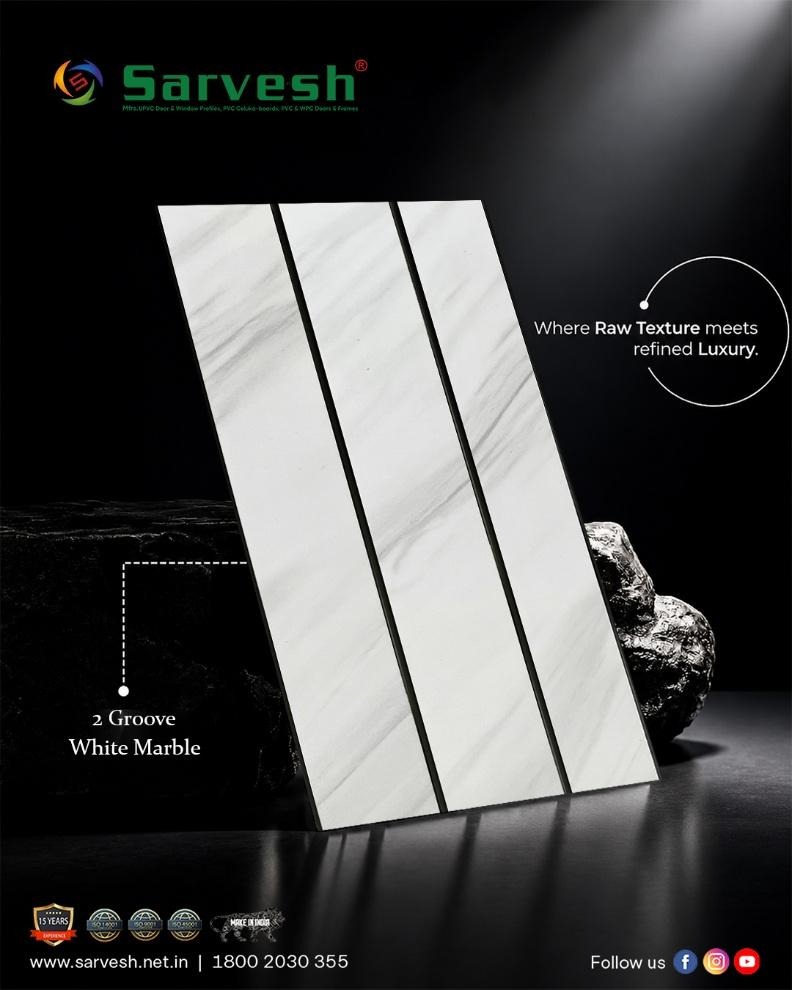
In bedrooms, fluted panels can be used behind the headboard or on a selected wall. Wood-inspired finishes and soft neutral colours are suitable choices for creating a relaxed atmosphere.
You can also combine the panels with simple wall lighting and coordinated bedside furniture.
Fluted Panels for Hallways and Entryways
Hallways and entryways often have limited space for decorative furniture. A fluted panel section can add texture without taking up floor space.
Consider using a narrow vertical arrangement alongside a mirror, console table or wall-mounted lighting. For narrow passages, lighter finishes and limited coverage can help avoid a crowded appearance.
Fluted Panels for Commercial and Office Interiors
Fluted panels can also be used in offices, reception areas, showrooms, hotels and other commercial interiors.
They can create a professional-looking background behind reception desks, meeting room walls or selected display areas. For commercial applications, check the product’s durability, maintenance requirements and suitability for the intended environment before choosing a material.
How to Choose the Right Fluted Wall Panel
Selecting the right panel involves more than choosing an attractive pattern. Consider the room, intended application, material, dimensions and overall project budget.
Choose the Right Colour, Texture and Finish
The panel colour should complement the existing interior rather than compete with it.
- Wood-inspired finishes: Suitable for warm and natural-looking interiors.
- Neutral shades: Work well with minimalist and contemporary spaces.
- Dark finishes: Can create a bold feature wall when balanced with suitable lighting.
- Contrasting colours: Help highlight selected sections of a room.
Always consider how the finish looks under the room’s natural and artificial lighting.
Consider Panel Material and Durability
Fluted panels are available in different materials, and each option has its own characteristics. Compare the material, surface finish, maintenance requirements and installation method before making a decision.
Consider the intended location as well. A panel suitable for a dry living room may not necessarily be appropriate for an area exposed to frequent moisture or heat. Check the manufacturer’s product specifications for the recommended applications.
Select Panel Dimensions Based on Wall Size
Panel dimensions should be selected according to the available wall area and desired design.
Wider walls may accommodate larger feature sections, while narrow spaces may look better with a limited vertical arrangement. Measure the wall carefully and account for corners, switches, sockets, doors and windows before ordering materials.
Planning the panel layout in advance can also reduce unnecessary cutting and material wastage.
Match Fluted Panels with Your Existing Interior Design
A successful feature wall should look connected to the rest of the room.
Consider the colour of the flooring, furniture, ceiling, curtains and other wall finishes. If the room already contains several decorative textures, a simple fluted design may create a better balance.
For a more coordinated result, use similar tones across the panels and nearby furniture or decorative elements.
What Is the Fluted Wall Panel Price in India?
The fluted wall panel price in India varies depending on the material, dimensions, thickness, surface finish, design and manufacturer. Installation and finishing requirements can also influence the overall project cost.
Instead of comparing products only by their price per panel, consider the complete cost of covering the required wall area.
Factors That Affect Fluted Wall Panel Price
Several factors influence the price of fluted wall panels:
- Material and manufacturing quality: Different materials and manufacturing processes have different costs.
- Panel dimensions and thickness: Larger or thicker panels may affect material requirements and pricing.
- Surface finish and design: Special textures, decorative finishes and customised designs can influence the cost.
- Quantity required: The total wall area and number of panels needed determine the material quantity.
- Installation and finishing costs: Labour, surface preparation, cutting, accessories and finishing work may add to the project budget.
For an accurate estimate, compare the specifications of products with similar dimensions, materials and finishes.
Is the Installation Cost Included in the Panel Price?
Not always. Some suppliers quote only the panel material, while others may provide a combined estimate that includes installation.
Before purchasing, confirm whether the quoted price covers accessories, adhesives or fixing systems, labour, surface preparation, cutting and finishing. This helps you understand the actual project cost.
Before purchasing, confirm whether the quotation includes:
- Panel material and quantity.
- Adhesives or recommended fixing systems.
- Accessories and edge finishing.
- Surface preparation.
- Cutting and installation labour.
- Transportation and applicable taxes.
How to Estimate the Cost of a Fluted Feature Wall
You can begin with a simple calculation:
- Measure the height and width of the wall.
- Calculate the total wall area by multiplying height by width.
- Check the coverage area of each panel.
- Estimate the number of panels required.
- Include allowances for cutting and wastage based on the design.
- Add installation, accessories and finishing costs.
Example: If a wall measures 10 feet wide and 8 feet high, its total area is 80 square feet. The number of panels required will depend on the coverage area of each panel and the installation layout.
Ask the supplier for a quotation based on the actual wall measurements and selected product specifications.
How to Install Fluted Wall Panels
Proper installation is important for achieving a neat and consistent finish. The exact method depends on the panel material and the manufacturer’s recommended fixing system.
A typical installation process involves the following steps:
- Inspect the wall: Check whether the surface is clean, dry, stable and suitable for installation.
- Measure the area: Record the wall dimensions and mark the planned panel arrangement.
- Prepare the surface: Complete any required repairs or surface preparation before fixing the panels.
- Cut the panels: Cut panels carefully according to the measurements, accounting for corners, edges and openings.
- Fix the panels: Use the recommended adhesive, fasteners or fixing system specified for the product.
- Align the grooves: Maintain consistent spacing and alignment between adjoining panels.
- Complete the finishing: Finish edges, corners and joints according to the manufacturer’s instructions.
- Inspect the installation: Check alignment, adhesion and the overall appearance.
For large feature walls or installations involving electrical fittings, consult an experienced installer. Always follow the product-specific installation instructions rather than using the same fixing method for every panel type.
Explore Fluted Panel Solutions from Sarvesh
Choosing the right decorative panel can help create interiors that look modern, coordinated and visually appealing. Sarvesh offers a range of building and interior material solutions designed for different residential and commercial applications.
When exploring fluted panel solutions, consider the available designs, surface finishes, material specifications and installation requirements. Select a product that suits your wall dimensions, interior theme and intended application.
For product details, availability and pricing, connect with an authorised Sarvesh dealer or product representative. They can help you understand the available options and identify a suitable solution for your project.
Frequently Asked Questions
Which fluted wall panel designs are best for living rooms?
Wooden-look panels, vertical fluted designs and TV unit feature walls are popular choices for living rooms. The best option depends on the room size, furniture arrangement, lighting and preferred interior style.
What is the fluted wall panel price in India?
The fluted wall panel price in India depends on the material, dimensions, thickness, surface finish, design and manufacturer. Installation and finishing costs may be additional. Request a quotation based on your required wall area and product specifications.
Are fluted wall panels suitable for bedrooms?
Yes. Fluted panels can be used behind bedroom headboards or on selected feature walls. Wood-inspired finishes, neutral colours and simple vertical patterns can complement a relaxed bedroom interior.
Can fluted wall panels be used for small rooms?
Yes. Choose lighter colours, subtle textures and limited panel coverage to prevent the room from feeling crowded. A small fluted section can add depth without overwhelming the available space.
How do I choose the right fluted wall panel for my home?
Consider the room size, wall dimensions, material, colour, surface finish, maintenance requirements and installation method. Compare product specifications and choose a design that complements your existing furniture and interior theme.
A well-planned fluted feature wall can add texture, depth and character to your interiors. By selecting the right design, material and finish, you can create a feature wall that complements your home while keeping the overall space balanced and functional.
Trending Uncategorized
- No trending uncategorized available.
Latest Uncategorized
- No recent uncategorized available.
Let's Build Better Spaces Together!
Share your details and our team will help you find the right fit for your project.

Contact Us
LET'S TALK
Looking to upgrade your space with premium doors, windows, or decorative solutions? Whether you're an architect, builder, or homeowner, our team is here to support your project from concept to completion.

© 2026, Sarvesh. All rights reserved.